
Drive-Up vs. Indoor Storage Units: Which One Is Right for You?
Some things go into storage and stay there for years. Others come back out every few months, every season, or every weekend. That distinction matters more than most people realize when choosing between drive-up storage units and indoor units, and picking the wrong type can turn a simple errand into a real inconvenience.
What Drive-Up Storage Units Actually Look Like
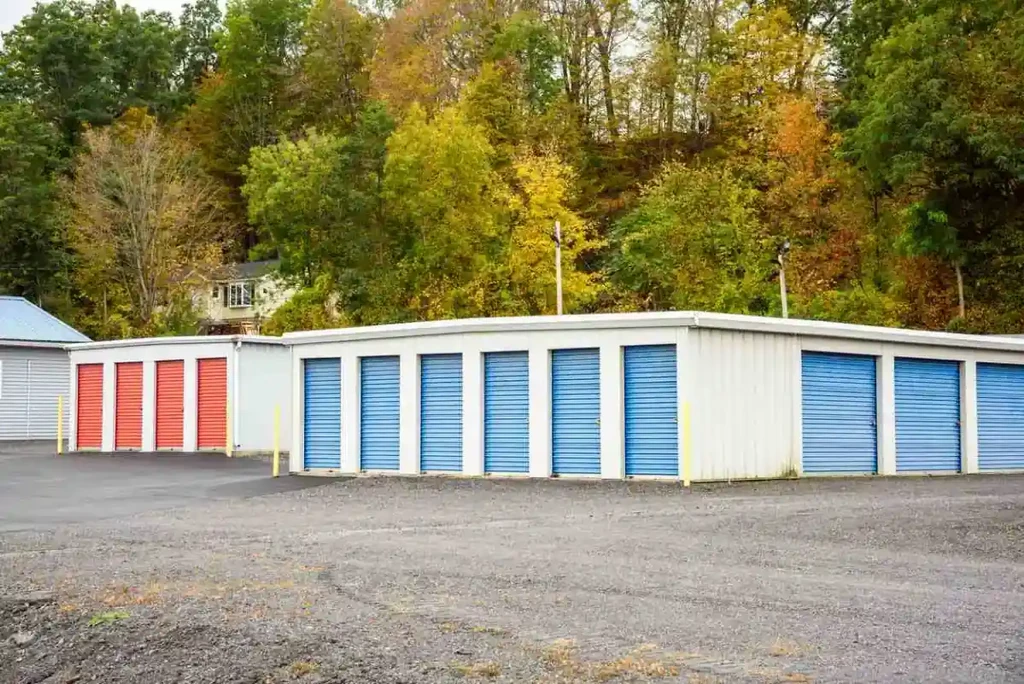
Drive-up units sit along the exterior of a facility, with roll-up doors that open directly to the parking lot or drive aisle. You pull up, raise the door, and load or unload without navigating a hallway, elevator, or stairwell. The door opening is typically wide enough to roll in a lawnmower, slide in a kayak on its side, or carry in a large appliance without turning sideways. Ground-level access and a wide door clearance are the two features that define the type.
When Drive-Up Access Makes the Most Sense
The strongest case for a drive-up unit is frequency. If you plan to visit your unit more than a handful of times a year, the ability to pull your vehicle right up to the door saves real time on every trip. Hobbyists who rotate gear between home and storage, households that swap seasonal decorations, and anyone who keeps lawn and garden equipment off-site all benefit from the quick in-and-out that drive-up access provides.
Bulky and awkward items are another clear fit. A bicycle, a kayak, holiday bins stacked four high, a push mower, or a set of patio furniture all load more easily when you can carry them straight from the truck bed to the unit door with no turns. Heavy items like appliances and furniture are also far easier to move on a dolly when you're rolling across flat pavement rather than down a corridor.
For a practical look at how much fits in each unit size before you rent, our storage unit size guide breaks it down by common contents so you can match the door width and depth to what you actually own.
What Indoor Units Offer Instead
Indoor units are housed inside the building, typically accessed through a shared entrance and interior corridors. The building envelope provides a more consistent temperature range throughout the year, which can reduce the risk of warping, cracking, or finish damage on items sensitive to temperature swings. Wood furniture, electronics, musical instruments, and documents stored long-term are the kinds of items that tend to benefit from that environment.
The trade-off is convenience. Every visit requires walking from your vehicle to the building entrance and through the interior to your unit. For items you rarely touch, that's a minor inconvenience. For items you rotate regularly, it adds up.
Choosing Based on How You'll Actually Use the Unit
The simplest way to decide is to think about how often you'll visit and what you'll be carrying. Frequent visits with large, heavy, or oddly shaped items point clearly toward drive-up. Infrequent visits with temperature-sensitive belongings point toward indoor. Many renters end up using both types at different points, depending on what they're storing at a given time.
If you're still working through the decision, our guide to choosing a self storage unit covers additional factors worth considering before you rent. Castle Self Storage has locations across southeastern Massachusetts, including self storage in Braintree, MA with drive-up and indoor options available. You can browse the full list of Castle storage locations to find the facility closest to you and check which unit types are currently available.