
What Items Actually Need Climate-Controlled Storage?
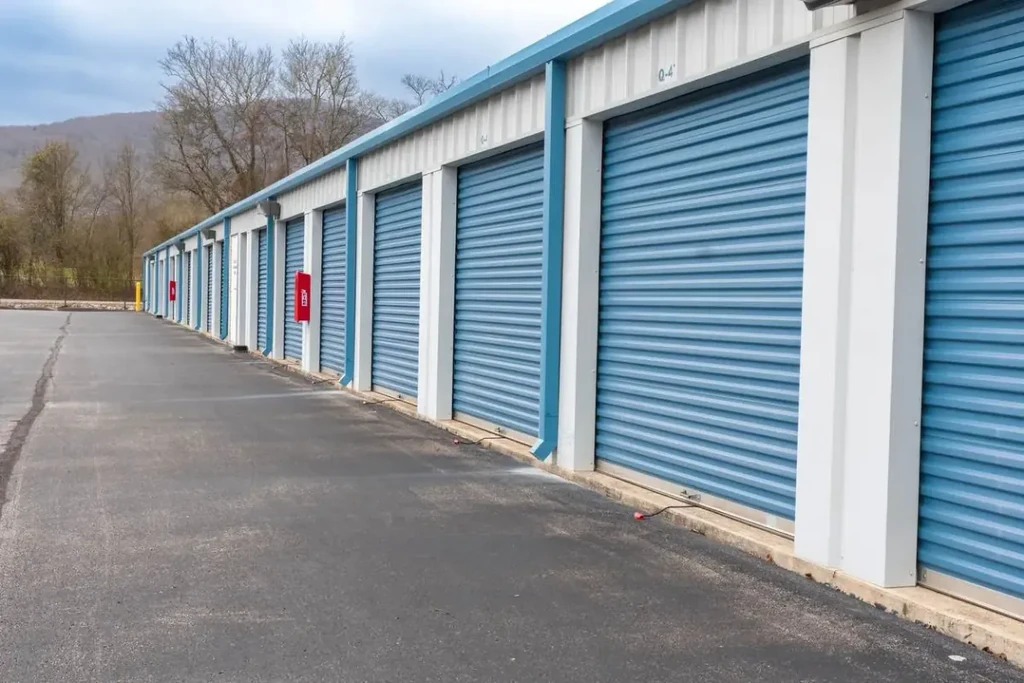
A lot of people rent a standard unit, load it up, and figure things will be fine. For seasonal gear, patio furniture, and plastic bins full of holiday decorations, that reasoning usually holds. For paper records, photographs, fabrics, and original artwork, it rarely does. Climate-controlled storage exists precisely for the items that have a hard time surviving repeated temperature swings without showing the damage. The question is knowing which items those actually are before you find out the hard way.
Paper, Photographs, and Film
Paper fibers break down gradually under heat. A box of tax records or business documents stored in a typical storage unit through a New England summer can come back brittle, yellowed, or stuck together. The same applies to photographs, film negatives, and slides. Heat accelerates the fading of color dyes in prints and causes film to warp or curl at the edges. Scrapbooks and photo albums are especially vulnerable because the adhesives holding everything in place soften and fail when temperatures climb consistently above comfortable room levels.
Business and tax records that need to be retained for years are a practical reason to choose a temperature-regulated environment. These are documents with a legal shelf life, and replacing them is not always possible. A climate-controlled unit keeps them in a consistent temperature range year-round rather than exposing them to the wide swings an attic, basement, or garage experiences between January and August.
Fabric Items and Clothing
Natural fibers like silk, linen, and cotton are sensitive to heat, and repeated cycles of warming and cooling cause them to weaken, colors to shift, and embroidery threads to loosen. A gown that spent two summers in a hot attic often comes back discolored or with fabric that has grown fragile at the folds.
Storing these items in a temperature-controlled space does not guarantee they will last forever, but it removes one of the main factors that accelerates deterioration. If you are working through a larger home project and need guidance on what to keep versus store, our home decluttering guide walks through the entire process.
Artwork and Vinyl Records
Original paintings and prints on canvas or paper are affected by temperature fluctuations in two ways. The support material expands and contracts with heat, and over time that movement causes paint layers to crack and lift. Ink-based prints fade faster when stored warm. Vinyl records warp when left in heat, and once a record warps, the damage is permanent. A climate-controlled unit keeps these items in a stable environment that reduces the cumulative stress of seasonal temperature changes.
Wood Furniture and Instruments
Wood moves over time. It expands in heat and contracts in cold, and an unregulated storage unit in Massachusetts will put wood through that cycle repeatedly across a full year. Stiff furniture joints loosen, veneer lifts, and drawer frames warp enough to stick. Wooden musical instruments are especially sensitive, and a guitar or violin stored in a unit that reaches high summer temperatures can come back with a warped neck or separated seams along the body.
For furniture pieces you plan to use again or instruments you intend to play, a temperature-controlled unit is worth the difference in cost. You can browse available storage features to see what options are offered, and use our unit size guide to find the right fit before you rent.
Why an Attic, Basement, or Garage Falls Short
These spaces feel convenient, but none of them maintain a consistent temperature. Attics absorb heat directly from the roof and can reach extreme temperatures in summer. Basements stay cooler but are subject to cold extremes in winter and often experience temperature swings when the seasons change. Garages fluctuate with outdoor conditions almost entirely. For items that degrade under heat or repeated temperature cycling, none of these spaces offer the stability a climate-controlled unit does.
If you are ready to find the right unit, explore Castle Self Storage locations across Massachusetts to find a facility near you. For more practical advice before you rent, see our storage tips page for more on how packing and organizing can help you get the most out of your unit.