
Seasonal Storage Guide: What To Store Each Season and Why
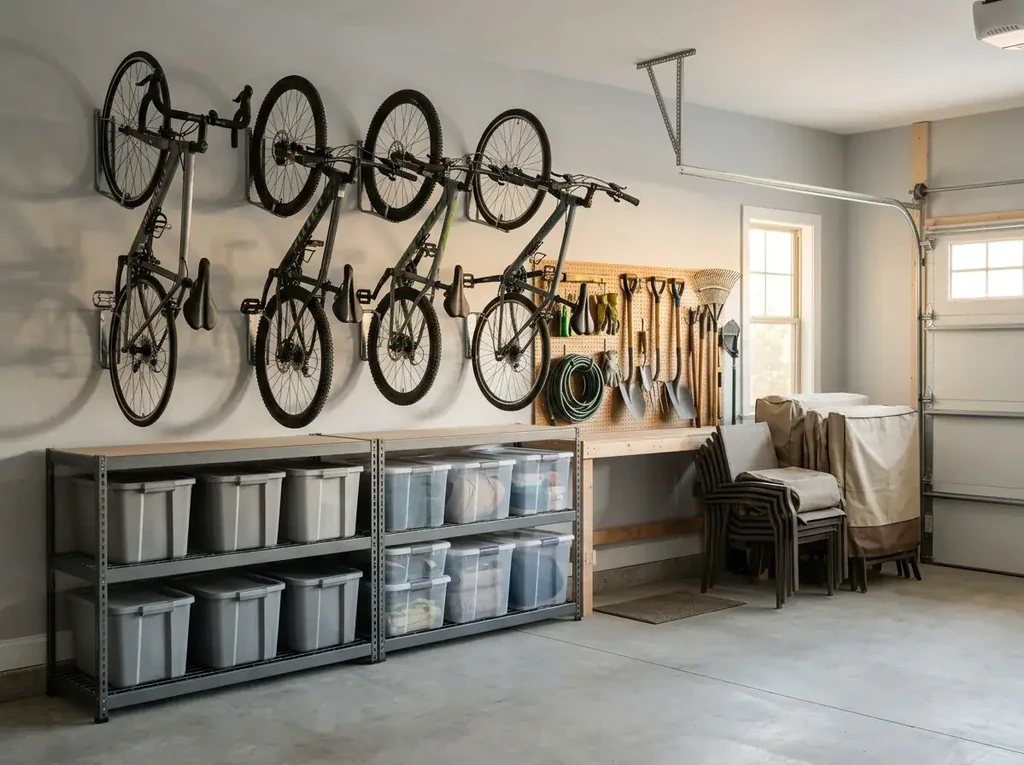
A storage unit works hardest when it becomes part of a seasonal routine rather than a one-time fix during a move or renovation. Holiday storage, patio furniture storage, storage for lawn equipment, and seasonal clothing storage all follow a predictable calendar, and planning around that calendar keeps your home from accumulating clutter that has nowhere useful to go. This guide breaks down what to pull out and put away each season, and how to think through the process so it actually works for your household.
Why Seasonal Storage Is Worth Planning Around
A garage that doubles as a lawn equipment depot in summer and a holiday decoration warehouse in December is a garage that never quite works for either purpose. The same logic applies to closets packed with coats in July or swimwear in January. Rotating items in and out of a storage unit by season means the things you reach for most are always within arm's reach at home, and the things you won't touch for months aren't taking up space you need now.
The other reason to plan is protection. Certain items degrade when left in unregulated spaces like a garage, an attic, or a basement and experience temperature swings. A unit in a temperature-controlled environment helps keep wood furniture from warping, electronics from cycling through extremes, and fabric from developing the kind of damage that only shows up when you unfold something next October.
Spring: Clear Out Winter, Make Room for the Season
Spring is the most natural time to do a full rotation. Winter gear, like your heavy coats, snow blowers, ice melt spreaders, and sleds, has done its job and can go into storage until November. This is also when patio furniture comes back out, which means the furniture needs somewhere to stay stored through the cold months.
Spring is also a good moment to reassess what's worth keeping at all. Before moving anything into a unit, run through what you actually used last winter. Items that sat untouched for a full season are worth donating or discarding rather than paying to store. Read through our home decluttering guide for a useful framework for making those calls without second-guessing everything.
Summer: Lawn Equipment, Sporting Gear, and the Holiday Haul
Artificial trees, string lights, wreaths, and bins of ornaments take up a disproportionate amount of floor space for items that won't be touched for five or six months. Moving holiday items into a unit through the summer frees up room for the gear you actually use: bikes, kayaks, camping equipment, and outdoor sports items.
Storage for lawn equipment becomes relevant in summer in a different way: if you've upgraded your mower or added a ride-on this year, the old equipment may not have a logical home. A drive-up unit makes it easy to roll equipment in and out without heavy lifting, which is worth factoring in when choosing a unit type. Compare drive-up versus indoor storage to see the differences if you're weighing your options.
Fall: The Biggest Rotation of the Year
Fall triggers more storage movement than any other season. Patio furniture storage becomes urgent once temperatures drop consistently, leaving resin, wicker, or cushioned pieces outside through a New England winter accelerates wear significantly. Covers help, but a unit is more reliable for anything you want to be in good shape come April.
A gas-powered mower left in a cold, damp garage through winter can develop fuel and engine issues. Drain the fuel or use a stabilizer, clean the deck, and store it somewhere the temperature doesn't swing wildly. The same applies to string trimmers, leaf blowers, and any battery-powered tools; batteries in particular don't respond well to repeated freezing.
Fall is also when seasonal clothing storage becomes practical. Summer clothing can be packed and moved out to make room for the heavier items you'll actually wear. Vacuum storage bags work well for bulky items like comforters and down jackets if you're short on unit space, though a larger unit gives you more flexibility to store items flat and undamaged.
Winter: Holiday Decoration Storage and the Post-Season Swap
The challenge is that most households don't have a dedicated space for holiday items at home, so many end up stacked in a hallway or shoved into a closet until the unit is available again. Keeping a unit specifically for holiday storage means the swap takes an hour rather than an afternoon of reorganizing.
Winter is also a good time to think about what size unit actually fits your rotation. A 5x10 unit handles seasonal clothing and a few boxes of holiday decorations comfortably. A 10x10 unit accommodates patio furniture sets, lawn equipment, and a full holiday haul. If you're not sure where your needs fall, our unit size guide maps out what fits in each size with concrete examples.
Choosing the Right Unit for a Seasonal Routine
Seasonal storage works best when the unit is genuinely convenient to reach. A facility that's out of the way becomes easy to skip, and then the rotation stops happening. For households in the South Shore area, storage in Braintree, MA, at our Quincy Avenue location puts seasonal items within a short drive for most local neighborhoods. Castle Self Storage also has locations across Massachusetts if you need a facility closer to home.
A seasonal storage routine doesn't require a large unit or a long-term commitment. Month-to-month leases give you the flexibility to scale up or down as your needs change from year to year. Find your storage space for the entire year with Castle Self Storage today.